Carpet Cleaners in Finsbury Park

Professional carpet cleaning in Finsbury Park should do more than freshen the surface. It should lift embedded soil, reduce dulling in high-traffic fibres and leave the room easier to live with. We focus on carpet cleaning for homes and small business premises, using a practical approach suited to the type of carpet, the condition of the pile and the marks that need attention. That means treating the job as a cleaning task first, not a quick cosmetic pass.
Our work covers routine maintenance cleans, deeper restorative cleaning for worn areas and spot treatment for localised staining where the fibre allows it. We also clean adjoining soft furnishings when requested, so the finish across a room can feel more even. If you are comparing options, take a look at our carpet cleaning service to see the main method in more detail, then use the rest of this page to judge what suits your flooring.
Good results start with the right preparation and a sensible expectation of what can be achieved. Some carpets respond best to a thorough wash with careful moisture control, while others benefit from targeted pre-treatment and a more measured extraction process. The aim is always a cleaner, brighter surface without unnecessary wear. If you want to move forward, you can ask for a quotation once you have a sense of the areas, carpet type and any problem marks.
How we approach carpet cleaning
Every carpet presents a different combination of pile, fibre blend, age and previous cleaning history. A dense wool carpet in a living room will not be handled in the same way as a synthetic hallway runner that sees muddy shoes every day. We begin by considering soil load, visible staining, access around the room and any fibres that need a gentler touch. That planning helps us choose a method that aims to clean thoroughly while keeping the carpet structurally sound.
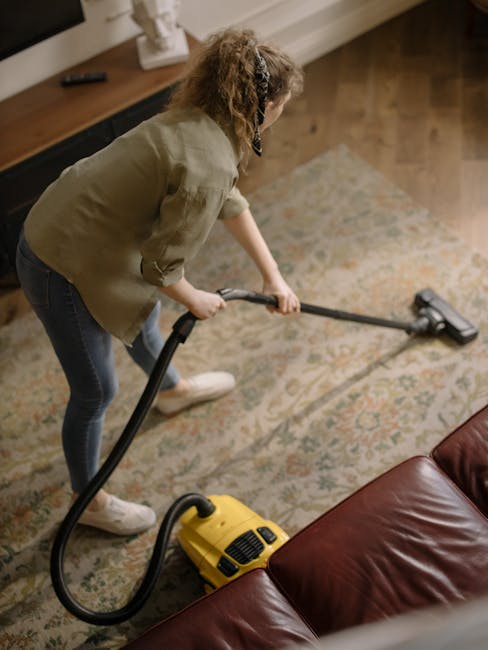
For many homes, the core work involves pre-treatment of key marks, agitation where needed and extraction or equivalent cleaning suited to the material. That process can help reduce the grey, flattened appearance that builds up over time. It can also improve the look of walkways, edges and the areas that sit under tables or in front of sofas. Where the carpet has more delicate construction, we keep the process controlled rather than forcing excess moisture into the pile.
What different carpets may need
Some carpets tolerate a deeper flush, while others need a lighter touch and slower drying expectations. Wool, for example, may require closer attention to temperature and cleaning chemistry; certain synthetic fibres are more forgiving but still benefit from measured treatment. We make decisions based on the condition in front of us, not on a one-size-fits-all routine. That is especially important when stains are old, when pile distortion is already present or when the carpet sits in a busy household.
Stain treatment, odour reduction and general maintenance

Stains are never all the same. Food spills, drink marks, tracked-in mud and everyday dulling each respond differently, and not every stain can be removed completely. What matters is using a sensible sequence: identify the likely cause, test where appropriate, treat the affected area and avoid spreading the mark further into the fibres. That practical approach is better than over-wetting a patch and hoping for the best. It also helps protect the broader carpet around the stain.
Where a carpet has taken on stale odours from pets, spillages or long periods without proper cleaning, deeper cleaning can help reduce the source rather than simply masking it. If the carpet has a mix of old traffic marks and smaller spots, we can focus on the most visible areas first so the room feels more balanced overall. For homes that like to keep on top of upkeep, a planned maintenance clean can be enough to prevent dirt from becoming tightly bound to the pile.
For rooms with repeated use, useful decisions often come down to three things: the level of visible soil, the sensitivity of the fibre and how quickly the room needs to be back in use. That balance affects the method, the level of pre-treatment and the drying allowance. It is also why a careful description of the carpet and the marks is helpful before any quotation is prepared. Ask for a quotation when you are ready, or compare the details against our pricing and quotes information first.
Rooms, fibres and everyday wear
Different rooms create different cleaning needs. Hallways and stairs tend to show tracking and edge wear first, while bedrooms may stay cleaner but still gather dust and flattened fibres over time. Living rooms often combine both issues: foot traffic, food and drink marks, and furniture compression. We adapt the work to those conditions so the cleaning supports the room’s use rather than treating every area as identical. That is especially helpful where there are several rooms with different levels of soiling.
Fibre type matters just as much as location. Synthetic carpets often tolerate robust cleaning well, but they still need correct solution strength and moisture control. Wool carpets can be excellent underfoot, yet they need more careful handling and a better understanding of what should not be pushed too aggressively. Blends sit somewhere between the two, which is why inspection and experience with the material are so important. In each case, the goal is a cleaner finish with the right amount of care.
If your carpet has a few problem zones rather than a full-room issue, spot-focused treatment may be the most sensible route. If the whole surface has gone dull, a broader clean can restore a more even appearance and make later maintenance easier. Either way, it helps to think about the carpet as a long-term surface. A careful clean should support the fabric of the room, not just chase a quick visual change.
Supporting other soft furnishings in the same visit

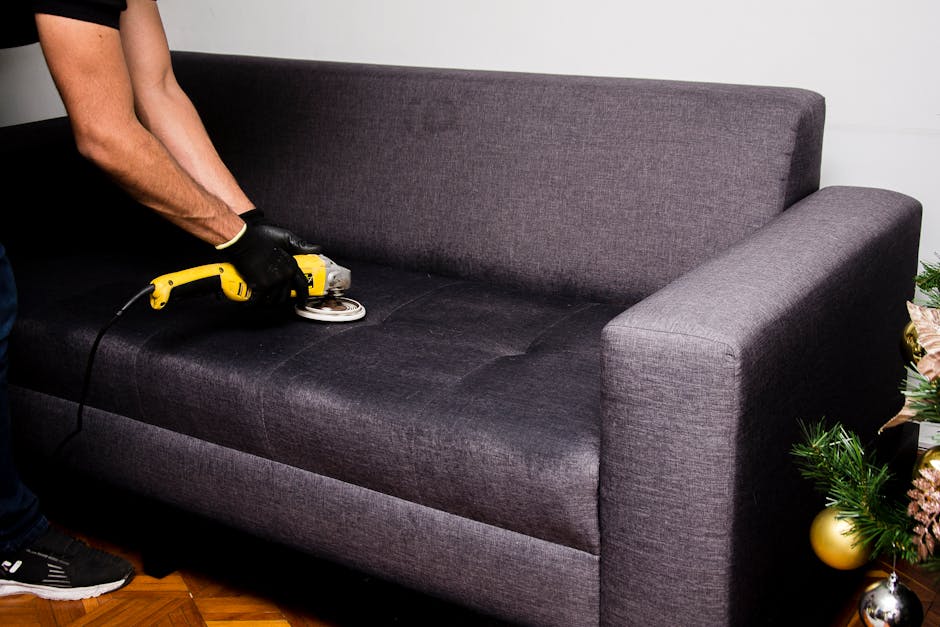
Many customers want more than carpet cleaning alone. Sofas, chairs and rugs can all hold dust, crumbs and everyday grime that affect the feel of the whole room. When it is appropriate, we can include related soft-furnishing work so the result looks joined up rather than half-finished. That is often a practical choice in family homes, rental properties and reception areas where matching surfaces collect soil at different rates.
If a rug sits on top of a cleaned carpet, it can still undermine the room’s freshness if it remains dull or stained. Likewise, a well-cleaned floor can look less impressive if the sofa arms or chair cushions are still marked. Consider whether a coordinated clean would be useful, especially if you are preparing the room for visitors or simply want a better everyday standard. You can review the relevant service pages, including rug cleaning and sofa cleaning, to judge which items should be included.
When combined cleaning makes sense
Combined work is often most efficient when the same type of soil affects several surfaces, or when access setup would be similar for each item. It may also be useful where one room contains a carpet, upholstered seating and a rug that all need attention at the same time. In those situations, a coordinated plan can reduce repetition and produce a more consistent finish across the room as a whole.
What to expect from an enquiry
A useful quotation starts with clear information about the carpeted areas, the general condition and any marks that need treatment. If you can describe the room count, approximate sizes and fibre type if known, that gives a better basis for planning. Photos can help when stain location or access is difficult to explain in words, but they are not a substitute for an accurate description. The more precise the information, the easier it is to match the cleaning approach to the job.
It is also sensible to mention any practical limits before the work is booked. Tight stair access, fragile edging, recent repairs or nearby items that cannot be moved can all affect how the work is carried out. Where needed, we can build the quotation around those conditions rather than assuming a standard room layout. If you are comparing scope across different areas, our one-off cleaning page may also help if the carpet clean is part of a wider refresh.
Two brief points help most enquiries move forward smoothly: first, identify the rooms or items that need attention; second, note any obvious stains or concerns that should be considered before cleaning. With that in place, it becomes easier to suggest a suitable service level and avoid unnecessary back-and-forth. When you are ready, simply request a quotation and we can take it from there.
Domestic carpet cleaning for lived-in homes
Homes accumulate everyday soil in a way that is easy to underestimate. Fine dust settles deep into fibres, children’s spills leave visible marks, and shoes carry in grit that can abrade the pile over time. Domestic carpet cleaning aims to tackle those realities without turning the process into something disruptive or overcomplicated. The work should suit the household rhythm as much as the carpet itself, especially in rooms that are used constantly.
In family homes, we often see a mix of traffic lanes, furniture shadows and scattered spot marks. A sensible clean addresses the lot in a way that avoids leaving one area looking much newer than the rest. This is where balanced pre-treatment and patient extraction matter. If a room contains several surfaces with different needs, it can be worth considering whether the carpet should be cleaned alongside domestic cleaning tasks elsewhere in the home, so the overall finish feels more coherent.
For many households, the practical decision is not whether the carpet needs cleaning at all, but what level of treatment is suitable. Some rooms may only need a maintenance clean, while others require closer attention to stains and traffic wear. A good service should help you choose the right intensity rather than pushing for unnecessary work. That keeps the result useful, not just visible.
Commercial carpet care for offices and shared spaces

Workplaces place different demands on carpeted floors. Office walkways usually show a narrower but heavier pattern of wear, particularly near entrances, desks and meeting rooms. Dirt can build up quickly where many people pass through each day, and the carpet may need attention that balances appearance with practical downtime. The aim is a cleaner surface that supports the room’s use, not a dramatic transformation that ignores the realities of busy premises.
Shared spaces also benefit from a more deliberate cleaning plan because stains and flattening often appear in predictable routes. A reception area may need a broader freshen-up, while a meeting room might require more targeted work around chairs and footfalls. If you are responsible for premises rather than a home, you may find it useful to review office cleaning as well, since the carpet clean can sit within a wider maintenance pattern.
Commercial carpet work is usually judged by three things: how well it deals with visible wear, how neatly it is carried out around furniture and fittings, and how sensibly it is timed around the space’s use. Those points matter because businesses need a finish that is tidy, controlled and appropriate to the setting. It should feel like part of routine care, not an interruption to it.
About Finsbury Park
Finsbury Park is a district in north London centred on the large public park of the same name, which sits across the boundaries of the London Boroughs of Islington, Haringey and Hackney. The park itself opened in the Victorian period and remains one of the area’s defining green spaces, with broad paths, mature trees, sports facilities and open lawns that have long made it a popular place for walking and informal recreation. The surrounding neighbourhood grew through nineteenth-century suburban expansion, with terraces, mansion blocks and later housing all contributing to the varied street pattern seen today. Transport is a major part of the area’s identity: Finsbury Park station connects the Piccadilly and Victoria lines with National Rail services, giving the district strong links into central and north London. Nearby Stroud Green Road and Seven Sisters Road form lively commercial corridors, while local streets lead towards Arsenal, Crouch End and Holloway, each with its own character. The area also has cultural weight through the presence of the venue now known as the Finsbury Park Empire and through the park’s long history as a setting for concerts, community events and local sport. Despite the dense urban setting, pockets of greenery, residential squares and tree-lined roads create a contrast that has helped the district remain attractive to walkers and residents alike.
Making the quotation process straightforward
When people request carpet cleaning, they often want a clear answer about the likely scope rather than a long checklist of unrelated extras. That is why the quotation stage is best treated as a practical discussion about the surface, the soil and the room layout. If the carpet is straightforward, a simple description may be enough. If there are pet marks, heavy traffic lanes, old drink spills or awkward access, it helps to flag those items early so the right method can be considered.
There is no need to overcomplicate the process. A short note about the number of rooms, the general condition and any special points of care is usually the most useful starting point. Clear information leads to a cleaner plan. If you are ready to compare options for a particular room or property, the next step is to request a quotation and outline what needs attention. We can then focus on the work that matters most to you.
For some properties, a carpet clean may be part of a larger refresh involving upholstery, rugs or other cleaning tasks. For others, it may simply be about restoring the floor coverings on their own. Either way, the service should feel tailored rather than generic. Ask for a quotation when you are ready, and we can help shape the right cleaning plan for your carpets in Finsbury Park.